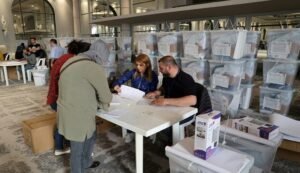
 News Desk: Lebanon headed to the polls Sunday for its first election since multiple crises dragged it to the brink of failed statehood, with the ruling elite expected to comfortably weather public anger.
The parliamentary election is a first test for opposition movements spawned by an unprecedented anti-establishment uprising in 2019 that briefly raised hopes of regime change in Lebanon.
Yet observers have warned not to expect any seismic shift, with every lever of power firmly in the hands of traditional sectarian parties and an electoral system rigged in their favour.
After an underwhelming campaign stifled by the nation's all-consuming economic predicament, 3.9 million Lebanese will be eligible to vote when polls open at 7:00 am (0400 GMT).
Independents can hope for more than the lone seat they clinched in 2018 but most of parliament's 128 seats will remain in the clutches of the very political class that is blamed for the country's woes.
The outgoing chamber was dominated by the Iran-backed Shiite movement Hezbollah and its two main allies: the Shiite Amal party of Speaker Nabih Berri and the Christian Free Patriotic Movement of President Michel Aoun.