

 BENGHAZI, Libya: More than 30 people were dead and dozens wounded after two car bombings outside a mosque frequented by jihadist opponents in Libya’s second city Benghazi, medical officials said yesterday, reports AFP.
The attack after evening prayers on Tuesday underlined the continued chaos in Libya, which has been wracked by violence and divisions since dictator Moamer Kadhafi was toppled and killed in a 2011 NATO-backed uprising.
Benghazi has been relatively calm since military strongman Khalifa Haftar announced the eastern city’s “liberation” from jihadists in July last year after a three-year campaign, but sporadic violence has continued.
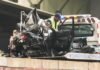
The bombers blew up two cars 30 minutes apart outside the mosque in the central neighbourhood of Al-Sleimani, according to security officials.
Emergency and security workers who had rushed to the scene were among those killed in the second blast. There was no immediate claim of responsibility but the mosque is known to be a base for Salafist groups which fought the jihadists alongside Haftar’s forces.
Mourners gathered outside the mosque on Wednesday, walking through puddles of water stained red with blood. Vehicles in a parking lot outside the mosque were burnt-out and mangled, their windows shattered.
The city’s Al-Jala hospital received 25 dead and 51 wounded, its spokeswoman Fadia al-Barghathi said. The Benghazi Medical Centre received nine dead and 36 wounded, spokesman Khalil Gider said. Ahmad al-Fituri, a security official for Haftar’s forces, was among those killed, military spokesman Milud al-Zwei said.
Medical officials said many of the wounded were in critical condition and the death toll was likely to rise. Haftar supports an administration based in the east of the country. It declared three days of mourning following the attack.
A UN-backed unity government based in the capital Tripoli, the Government of National Accord (GNA), has struggled to assert its authority outside the west.
The GNA condemned the attack as a “terrorist and cowardly act”.